Heraldic Clipart: A Guide for Designers and Enthusiasts
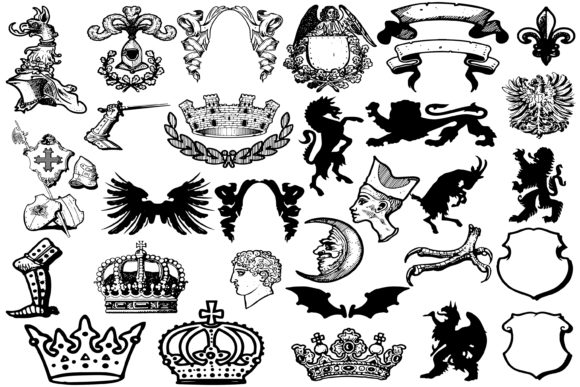
Heraldic clipart refers to digital graphic files that feature traditional heraldic symbols, such as crests, coats of arms, and other elements associated with heraldry. These images are often used in design projects, including web graphics, print materials, and creative crafts. For those working in fields like graphic design, photography, or scrapbooking, heraldic clipart can provide a unique and historically inspired aesthetic.
The availability of various file formats, such as SVG, PNG, EPS, and DXF, makes heraldic clipart versatile for different applications. Whether you're creating custom designs for a client or personal projects, these files offer flexibility and high-quality output. Understanding the benefits and limitations of heraldic clipart can help you make informed decisions about its use in your work.
Why Consider Heraldic Clipart?
For designers and artists, heraldic clipart offers a way to incorporate historical and symbolic elements into their work. The intricate details and rich visual heritage of heraldry can add depth and character to a project. This is particularly appealing for those looking to create content with a classic or regal feel.
Photographers and visual artists may find heraldic clipart useful for enhancing photo collages, backgrounds, or digital art. Scrapbookers and craft enthusiasts also benefit from these resources, as they can be used to create personalized pages, cards, or decorative items. The availability of transparent background PNG files ensures that these elements can be easily integrated into various design contexts.
Benefits and Considerations
Heraldic clipart provides several advantages. The vector-based SVG format allows for scalability without loss of quality, making it ideal for both web and print use. The inclusion of multiple file types—such as EPS and DXF—ensures compatibility with a wide range of design software, including Silhouette Studio and Cricut, which are popular among crafters and DIY enthusiasts.
However, there are some considerations to keep in mind. While heraldic clipart can enhance a design, it may not be suitable for all projects. The complexity of heraldic symbols can sometimes clash with modern or minimalist aesthetics. Additionally, the historical nature of these designs may require careful interpretation to ensure accuracy and appropriateness for the intended use.
Another factor to consider is the source of the clipart. High-resolution files with transparent backgrounds are essential for professional-grade results. It's important to choose reputable providers that offer well-organized and properly licensed materials to avoid legal issues or quality concerns.
Situations Where Heraldic Clipart Excels
Heraldic clipart is particularly effective in projects that aim to evoke tradition, nobility, or a sense of history. This includes wedding invitations, event banners, and promotional materials for heritage-related events. It can also be used in educational content, such as books or presentations about heraldry, to illustrate key concepts visually.
For those using cutting machines like Silhouette or Cricut, the availability of DXF and SVG files simplifies the process of creating physical designs. These files allow for precise cutting and can be used to produce custom signs, medals, or decorative elements. The 300 dpi resolution of PNG files ensures that printed materials maintain a professional appearance.
When Alternatives May Be Better
In some cases, alternative design elements may be more appropriate. For example, if the goal is to create a contemporary or abstract look, modern icons or illustrations might be a better fit. Similarly, for projects that require a more universal or neutral aesthetic, generic symbols could be preferable to the specific and often complex nature of heraldic designs.
It's also worth considering the target audience. If the intended viewers are unfamiliar with heraldic symbolism, additional context or explanation may be necessary. In such cases, simpler or more recognizable imagery could be more effective in conveying the desired message.
Making an Informed Decision
Before incorporating heraldic clipart into a project, it's helpful to evaluate your specific needs. Ask yourself whether the historical and symbolic aspects of heraldry align with your design goals. Consider the technical requirements of your workflow and whether the available file formats meet your needs.
Additionally, think about the overall tone and style of your work. If the design is meant to be timeless or culturally significant, heraldic clipart could be an excellent choice. However, if the focus is on innovation or simplicity, alternatives may be more suitable.
Ultimately, the decision to use heraldic clipart depends on your individual goals and the context of your project. By carefully weighing the benefits, limitations, and practical considerations, you can determine whether this resource is the right fit for your creative or professional needs.